

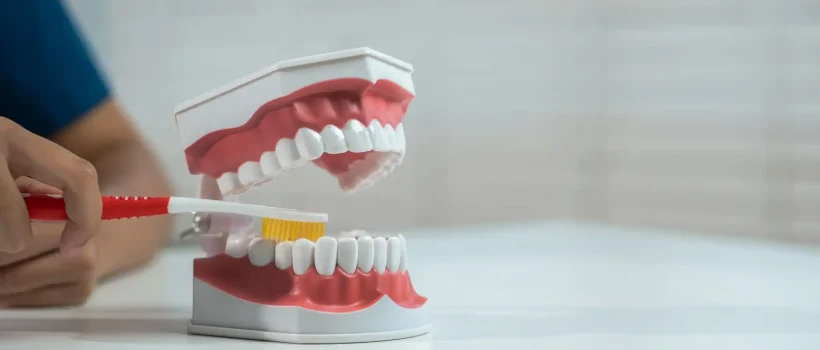

Advanced Brushing Technique Tips for Pro Cleaning
Maintaining good oral hygiene is crucial for overall health. One of the most important aspects of oral care is brushing your teeth effectively. It’s not just about the act of brushing; it’s about how you do it. Many people brush their teeth but may not realize they could be doing it more effectively. This blog will share advanced brushing technique tips that can help you achieve a healthier smile and better dental health.
Understanding the Basics of Brushing
Before delving into advanced techniques, it’s helpful to understand the basics of brushing. Brushing your teeth is a daily ritual that plays a significant role in preventing cavities and gum disease. It’s essential to brush twice a day, ideally in the morning and before bed. This routine helps remove plaque, a sticky film of bacteria that forms on your teeth. If not brushed away, plaque can harden into tartar, leading to more serious dental issues.
Using the right tools is also a fundamental part of effective brushing. A good toothbrush should have soft bristles to avoid damaging your gums. The right toothpaste, ideally one containing fluoride, can enhance your brushing efforts by strengthening tooth enamel and fighting cavities. Understanding these basics sets the foundation for implementing advanced brushing techniques.
Types of Toothbrushes and Their Impact
Choosing the right toothbrush can significantly affect your brushing technique. There are two main types: manual and electric toothbrushes. Manual toothbrushes are effective when used correctly, but electric toothbrushes have been shown to provide a more thorough clean. They often have built-in timers to ensure you brush for the recommended two minutes.
When selecting a toothbrush, consider the bristle type. Soft bristles are generally recommended as they clean effectively without harming your gums. Medium or hard bristles can be too abrasive, especially for those with sensitive teeth or gum issues. Ultimately, the best toothbrush is one that you feel comfortable using and encourages you to maintain a consistent brushing routine.
The Science of Toothpaste Selection
The type of toothpaste you choose is equally important. Most toothpaste contains fluoride, which is essential for protecting your teeth against decay. However, not all toothpaste is created equal. Some are designed for specific issues, such as sensitivity, whitening, or tartar control.
If you have specific dental concerns, such as sensitivity or gum issues, look for toothpaste formulated to address those needs. Choosing the right toothpaste can complement your brushing technique and enhance your overall oral hygiene routine.
Mastering Advanced Brushing Techniques
Now that you understand the basics, let’s explore some advanced brushing techniques that can improve your cleaning effectiveness. These approaches can help ensure that you’re not only brushing your teeth but doing so in a way that maximizes your efforts.
The Modified Bass Technique
One of the most effective techniques is the Modified Bass technique. This method focuses on the gum line, where plaque tends to accumulate. To perform this technique, place your toothbrush at a 45-degree angle to your gums. Gently move the brush back and forth in short strokes while keeping the bristles in contact with both the tooth and the gum line.
This technique helps remove plaque more effectively than simply brushing straight across the teeth. It’s important to be gentle to avoid damaging your gums. Spend about 30 seconds on each quadrant of your mouth, ensuring that you cover all surfaces of your teeth.
The Charter Technique
Another useful method is the Charter technique. This technique is particularly beneficial for individuals with braces or other dental appliances. To use this technique, place your toothbrush at a 45-degree angle to the gum line, similar to the Modified Bass technique. However, instead of moving in small circles or back and forth, you will use a sweeping motion away from the gums.
This sweeping motion helps clean around brackets and wires effectively. Like the Modified Bass technique, be sure to brush each section of your mouth for about 30 seconds. This technique not only cleans the teeth but also helps maintain the health of the gums.
The Fones Technique
The Fones technique is another option, especially for children or those who prefer a simpler approach. This method involves large, circular motions while keeping the toothbrush at a 90-degree angle to the teeth. Start with the molars and work your way around the mouth, ensuring to cover both the front and back surfaces of each tooth.
While this technique can be effective, it’s essential to be cautious with the pressure applied. Brushing too hard can cause gum irritation, so a gentle touch is always best. The Fones technique can be a fun way for kids to learn how to brush while still being effective.
Timing and Frequency: Key Factors for Success
The timing and frequency of your brushing routine play a crucial role in your overall dental health. Most experts recommend brushing twice a day, but the timing can also make a difference. For instance, brushing after meals can help remove food particles and plaque before they harden into tartar.
However, if you’ve consumed acidic foods or beverages, it’s best to wait at least 30 minutes before brushing. This allows your saliva to neutralize the acids, protecting your enamel from damage.
The Role of Interdental Cleaning
While brushing is essential, it’s not enough to maintain optimal oral hygiene on its own. Interdental cleaning, which includes flossing or using interdental brushes, is necessary to remove plaque and food particles between your teeth. These areas are often missed during brushing and can lead to cavities or gum disease if not adequately cleaned.
Incorporating interdental cleaning into your routine can significantly enhance the effectiveness of your brushing technique. Aim to floss at least once a day, ideally before brushing at night. This combination can ensure that your entire mouth is clean and healthy.
Addressing Common Brushing Mistakes
Even with the best intentions, many people make common brushing mistakes that can hinder their oral hygiene efforts. One frequent error is brushing too hard. Many believe that applying more pressure will result in a cleaner mouth, but this can lead to gum damage and enamel wear.
Another common mistake is neglecting certain areas of the mouth. People often forget to brush the back teeth or the chewing surfaces, where plaque can build up. Ensure that you thoroughly clean all areas, including the inner surfaces of your teeth.
Overcoming Sensitivity Issues
Tooth sensitivity is a concern for many people and can make brushing uncomfortable. If you experience sensitivity, consider using a toothpaste specifically designed for sensitive teeth. These products contain ingredients that help block pain signals and can make your brushing routine more comfortable.
Additionally, be mindful of the pressure you apply while brushing. Using a gentle touch can help reduce sensitivity and make the process more enjoyable. If sensitivity persists, consult your dentist for further guidance.
The Impact of Diet on Brushing Efficacy
Your diet can significantly affect your oral health and brushing effectiveness. Foods high in sugar can increase plaque buildup, making it essential to brush thoroughly after consuming them. Incorporating more fruits and vegetables into your diet can also help maintain oral health.
Certain foods, like crunchy fruits and veggies, can naturally clean teeth as you chew. Additionally, dairy products can provide calcium and help strengthen teeth. Being mindful of your diet can complement your brushing technique and enhance your overall dental hygiene.
Hydration and Oral Health
Staying hydrated is another essential aspect of maintaining good oral health. Drinking plenty of water helps wash away food particles and bacteria from your mouth. Additionally, proper hydration supports saliva production, which plays a crucial role in neutralizing acids and protecting your teeth.
Creating a Brushing Routine for Long-Term Success
Developing a consistent brushing routine is vital for maintaining long-term oral health. Start by setting a schedule that works for you, making brushing a non-negotiable part of your daily routine. Try to brush at the same time each day to build this habit.
Incorporating advanced techniques into your routine can also help ensure you’re getting the most out of your brushing. Choose one or two techniques to focus on and practice them consistently. Over time, they will become second nature, enhancing your overall brushing experience.
Conclusion
Mastering advanced brushing technique tips can significantly improve your oral health. By understanding the basics, utilizing effective techniques, and adopting good habits, you can maintain a healthier smile. Remember, brushing is not just a chore; it’s an essential part of taking care of yourself. Implementing these tips can lead to lasting benefits for your teeth and gums. Regular brushing, combined with proper diet and hydration, sets the stage for good oral health. As you develop your routine, remember to be gentle and thorough. With dedication and the right techniques, you can achieve a clean and confident smile.
FAQs
1. What are the best techniques for brushing my teeth?
The Modified Bass, Charter, and Fones techniques are effective brushing methods. Each offers unique benefits for thorough cleaning and gum care.
2. How often should I brush my teeth for optimal health?
Brushing twice daily is recommended. However, consider brushing after meals, especially after consuming sugary or acidic foods, for better oral hygiene.
3. Can diet affect my brushing routine?
Yes, a diet high in sugar can increase plaque buildup. Incorporating crunchy fruits and vegetables can help maintain oral hygiene and complement brushing efforts.